

Most of us check our phones before we’re fully awake and scroll ourselves to sleep at night. That constant pull has sparked a real reaction: people are setting limits, deleting apps, and questioning how much of their day belongs to a glowing screen.
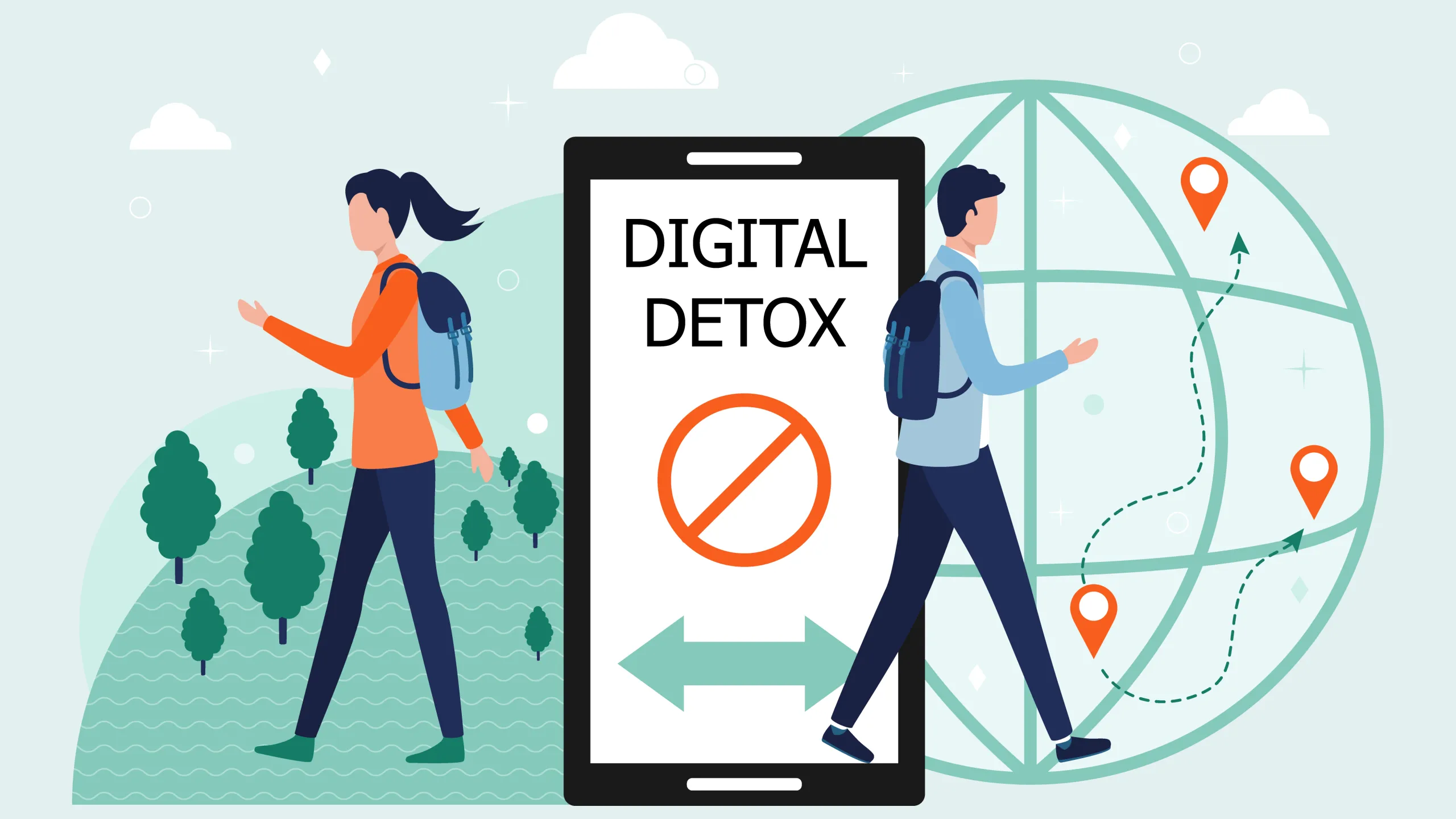
A digital detox is about using technology more intentionally and creating habits that support your attention, routines, and well-being. It can be as simple as setting clearer boundaries, choosing specific times for screen use, and becoming more deliberate about when you reach for a device.
The goal is to keep the benefits of technology while making more room for rest, focus, hobbies, and time with other people.
What Screen-Time Backlash Really Means?
The backlash grew from things people started noticing in daily life: tired eyes, restless sleep, and a sense that hours were disappearing into scrolling.
Research has also linked heavy phone use with poorer concentration and higher anxiety in some contexts, giving people more reason to question their habits. A few things commonly push people to change:
- Sleep problems tied to late-night scrolling and prolonged screen exposure.
- Attention difficulties associated with frequent notifications and app-switching.
- Comparison fatigue driven by endless streams of curated lives.
- Lost time that could go toward hobbies, people, exercise, or rest.
Start by checking your weekly screen-time report and your three most-used apps. If one app takes up a large part of your day without giving you much value, reducing that habit is more practical than trying to cut all screen use at once.
How a Digital Detox Actually Works?
A detox doesn’t require a week off the grid. Small, repeatable changes are easier to fit into normal routines, and the goal is to break automatic habits rather than avoid useful technology.
Notice when you reach for your phone out of boredom, discomfort, or habit. Once you know the trigger, replace the reflex with a specific alternative instead of relying on willpower. Some practical steps include:
- Turn off non-essential notifications.
- Keep your phone away from the bed if late-night scrolling is a problem.
- Create screen-free windows, such as meals or the final hour before bed.
- Move distracting apps off your home screen or log out after each session.
- Use built-in app timers to test whether a daily limit changes your behavior.
Pick one or two rules for a week rather than changing everything at once. If they work, keep them and add another change later.
Digital boundaries can also be useful during entertainment and gaming. Before opening a streaming service, social app, or the Ice casino login page, decide how much time you want to spend there and what you plan to do.
Setting that limit before the gambling session begins makes it easier to notice when intentional use turns into habitual scrolling or extended play.
The Physical and Mental Payoff
Reducing unnecessary screen time may support better sleep and concentration, particularly when it cuts down on late-night or highly distracting use.
Effects vary, so it helps to test specific changes instead of expecting a dramatic transformation. Here’s a practical way to connect common problems with specific actions:
| Problem | Action to Try | How Long to Try It |
| Trouble falling asleep | Keep the phone outside the bedroom or stop scrolling one hour before bed. | Test it for 7 nights. |
| Feeling scattered | Disable notifications during focused work and check messages at set times. | Try 30–45 minute focus blocks for one week. |
| Low mood after scrolling | Unfollow accounts that trigger comparison and reduce time on the relevant app. | Test the change for 1–2 weeks. |
| Sore eyes or headaches | Take regular screen breaks and change position. | Use breaks throughout the day for one week. |
The aim is not to prove that screens caused every problem. It is to see whether changing one habit produces a noticeable improvement.

Building Habits That Last
Very strict rules can be difficult to maintain, so flexibility may work better than perfection. Tie screen-free time to routines that already exist.
Read before bed instead of scrolling, leave your phone in another room while you eat, or put it away during focused work. These anchors are easier to maintain because they tell you exactly when the rule applies.
It also helps to fill the gap you create. Replace scrolling with something specific, such as walking, cooking, reading, exercise, drawing, or calling someone.
A weekly check can help too. Look at your total screen time and most-used apps, but do not chase the lowest possible number. The goal is more deliberate use.
Finding a Healthier Balance With Screens
The pushback against constant screens isn’t about rejecting technology. It’s about deciding when it serves you and when it takes more attention than you want to give. Start with one problem, choose one measurable change, and test it for a week.
If late-night scrolling is the issue, move your phone out of the bedroom. If constant interruptions are hurting your focus, disable notifications for part of the day. You do not have to disconnect completely. The practical goal is better control over when, why, and how you use technology.
