

There was a time when Fortnite players only cared about one thing: winning. The cleanest edits, the fastest builds, the final elimination. Cosmetics were just decoration. Nice to have, maybe, but hardly the main event. Funny how quickly that changed.
Now? Entire conversations revolve around lockers. Not gameplay. Not strategy. Lockers.
Players scroll through collections of skins the way sneaker enthusiasts browse rare trainers. Some accounts are treated almost like museums of gaming history, packed with cosmetics that newer players can never officially obtain again.
And yes, people absolutely notice when someone enters a lobby wearing a Renegade Raider or an original Black Knight. The reaction is immediate. Sometimes admiration, sometimes disbelief, occasionally pure envy.
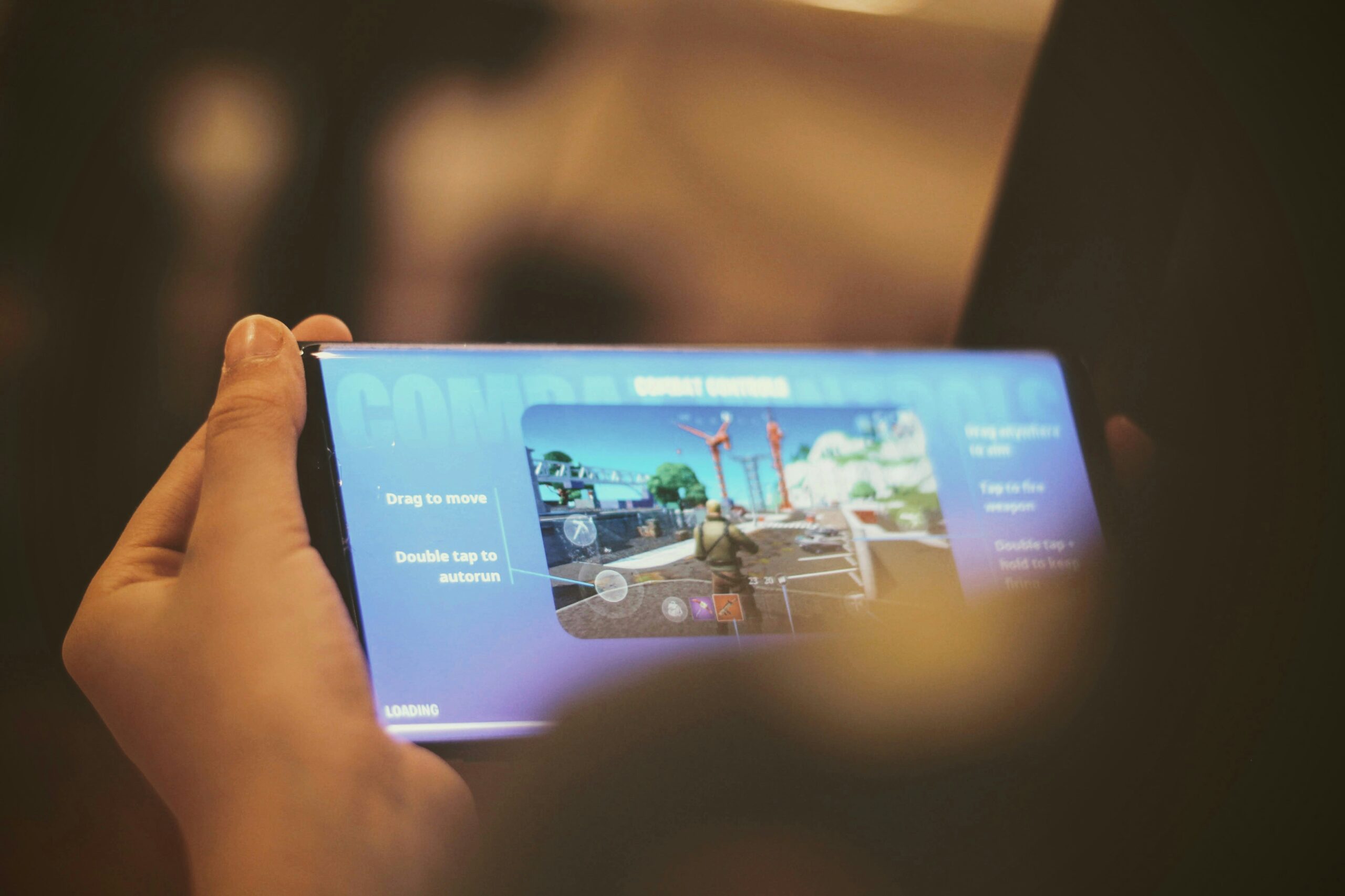
This is where the idea of the “flex account” appeared. Not just an account with good skins, but one designed to signal rarity, age, exclusivity, and status through locker setups alone.
It sounds ridiculous at first glance. Then again, so does paying thousands for vintage baseball cards. Digital culture simply found its own version.
When Cosmetics Stopped Being Cosmetic?
Fortnite’s biggest cultural trick was turning optional visuals into identity markers. Skins became memory capsules tied to specific seasons, events, and eras of internet culture. Players see a timeline.
An account carrying Chapter 1 exclusives instantly suggests experience. Older players associate it with late-night squad matches during Fortnite’s explosive rise in 2018. Younger players see something nearly mythical because those cosmetics are permanently unavailable.
Unlike many online games that endlessly recycle older items, Fortnite built value through disappearance. Battle Pass skins generally never return.
Limited collaborations vanish after short windows. Event cosmetics become digital fossils. Well, yes, that scarcity naturally created social currency.
The Locker as a Social Profile
Modern locker setups work almost like curated Instagram feeds. Players arrange emotes, pickaxes, wraps, and back blings to create a visual identity. Some lean into chaotic meme energy. Others build ultra-clean minimalist combinations with matching colour palettes.
A “flex account” usually includes:
- OG Battle Pass skins from early chapters
- Rare collaboration cosmetics that rarely reappear
- Event-exclusive emotes or pickaxes
- Unreleased or region-limited items
- Carefully matched locker combinations instead of random collections
Interestingly, rarity alone is no longer enough. A cluttered locker filled with unrelated expensive skins often feels less impressive than a thoughtfully designed setup with a clear aesthetic theme. Strange, but true.
The Digital Status Economy
People flexed luxury long before gaming existed. Watches, cars, trainers, designer jackets. Fortnite simply translated that instinct into a virtual space where appearance travels faster than conversation. And the numbers can get absurd.
There are also some rare accounts of Fortnite that allegedly make as much as a high-end gaming PC. Ecos with items such as Galaxy, Ikonik, or OG themed cosmetics tend to get all the attention in collector circles. The strange part is that these items offer zero gameplay advantage. Absolutely none.
After the second header, conversations about account marketplaces frequently lead players toward services like https://playhub.com/fortnite/accounts, where collectors browse setups based on rarity, cosmetics, and account age. The demand says a lot about how gaming culture evolved beyond gameplay itself.
Come to think of it, the value is almost entirely emotional. Players buy history, nostalgia, and recognition. That combination is surprisingly powerful online.
Why Rare Skins Trigger Reactions?
Certain Fortnite cosmetics instantly change lobby behaviour. Rare skins often attract spectators, random friend requests, or even accusations of account buying. The social reaction becomes part of the appeal.
A few cosmetics gained legendary status because they appeared before Fortnite became mainstream. Others became iconic through accidental scarcity or limited hardware promotions.
Some of the most talked-about examples include:
- Renegade Raider
- Black Knight
- Purple Skull Trooper
- Galaxy Skin
- Travis Scott cosmetics
These items function almost like digital vintage fashion. Their meaning comes from context and timing, not visual quality alone.
Flex Culture and the Psychology of Visibility
Fortnite exists in a highly visible environment. Lobbies, streams, TikTok clips, YouTube montages, Discord screenshots. Players are constantly being seen. That visibility fuels flex culture more than people realise.
A rare locker setup works because it is immediately recognisable. No explanation needed. And unlike traditional gaming achievements, cosmetics remain permanently visible. A high kill count disappears after a match. A rare skin walks into every single lobby.
That creates an unusual hierarchy inside the community. Skill still matters, obviously, but cosmetics quietly shape perception before gameplay even begins. Fair? Probably not. Human? Completely.
Streaming Changed Everything
Streaming culture amplified the obsession massively. Popular creators unintentionally turned rare cosmetics into aspirational objects simply by using them on camera.
Once viewers repeatedly saw famous players wearing certain skins, those cosmetics gained symbolic value beyond rarity itself.
Suddenly, a skin represented influence, nostalgia, or even internet status. The same thing happened with trainers in hip-hop culture years ago. Exposure creates mythology.
The Strange Future of Digital Collecting
Fortnite’s flex-account culture hints at something bigger happening online. Younger generations increasingly treat digital possessions as emotionally real possessions. Not “less real.” Just different.
Gaming lockers, virtual fashion, limited cosmetics, profile customisation, all of it taps into the same human instinct that drove physical collecting for decades. There is also a fascinating contradiction at the centre of Fortnite culture.
Players spend money on items they technically do not own forever. Accounts can disappear. Games eventually fade. Yet the emotional attachment remains incredibly strong.
Maybe because these cosmetics represent moments rather than products. An old Battle Pass skin is not just pixels.
It might remind someone of school holidays, lockdown gaming sessions, late-night squad chats, or entire friend groups that no longer play together. That emotional layer gives digital items unusual weight.
Conclusion
The rise of flex accounts shows that Fortnite has evolved into something far beyond a battle royale. Locker setups became social language, nostalgia archives, and status displays all at once.
Rare cosmetics now carry stories, memories, and online identity in ways few expected when the game first exploded onto screens.
Funny, because that has more to do with Internet culture than anything else, right? Standing out has always been a desire of humans. Fortnite just gave them a glowing pickaxe, an OG emote and a lobby filled with spectators.
